

“Urbanization Needs More Accessible Actions!” Project Completed with the Contribution of the Faculty of Applied Sciences
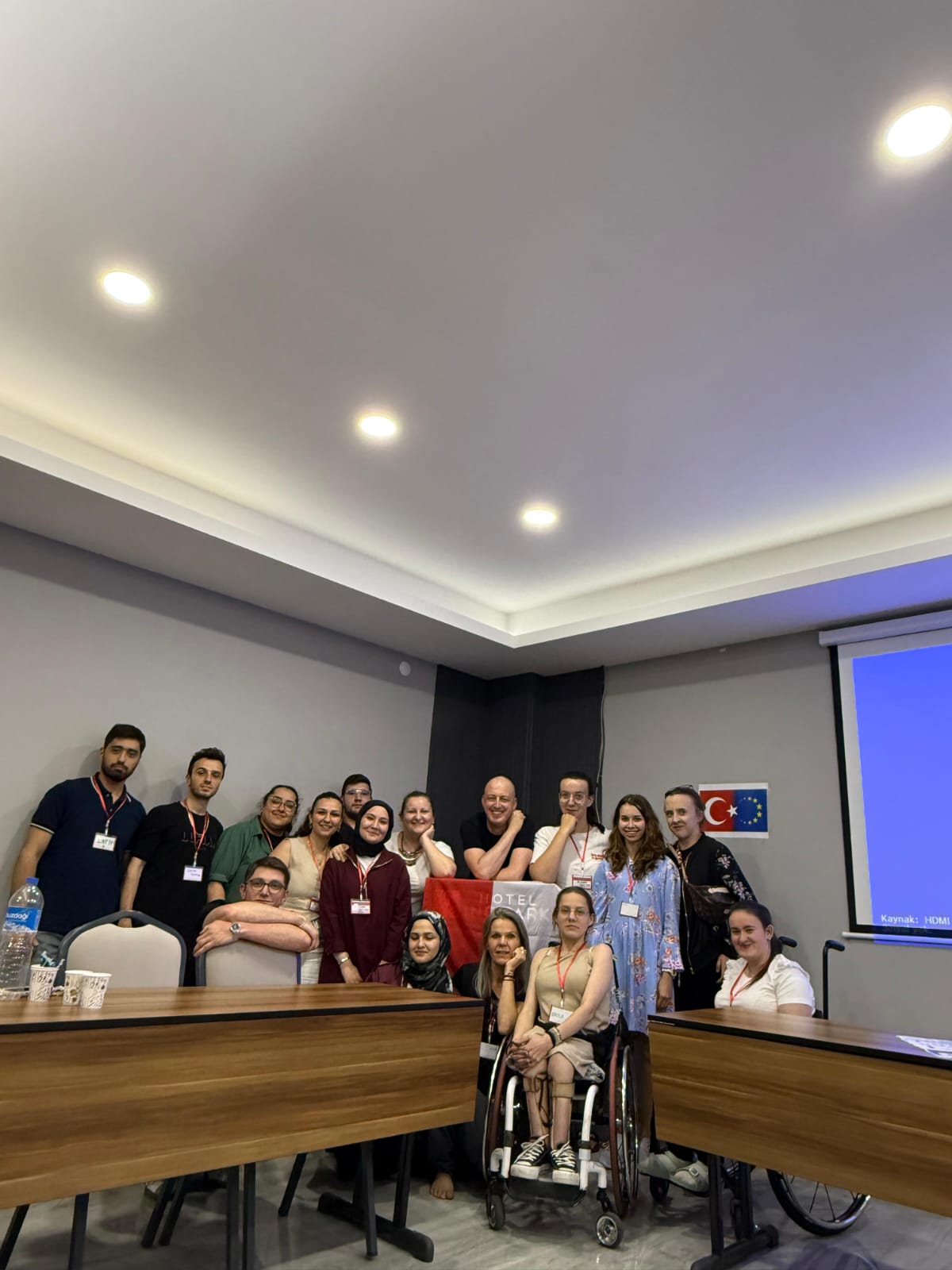
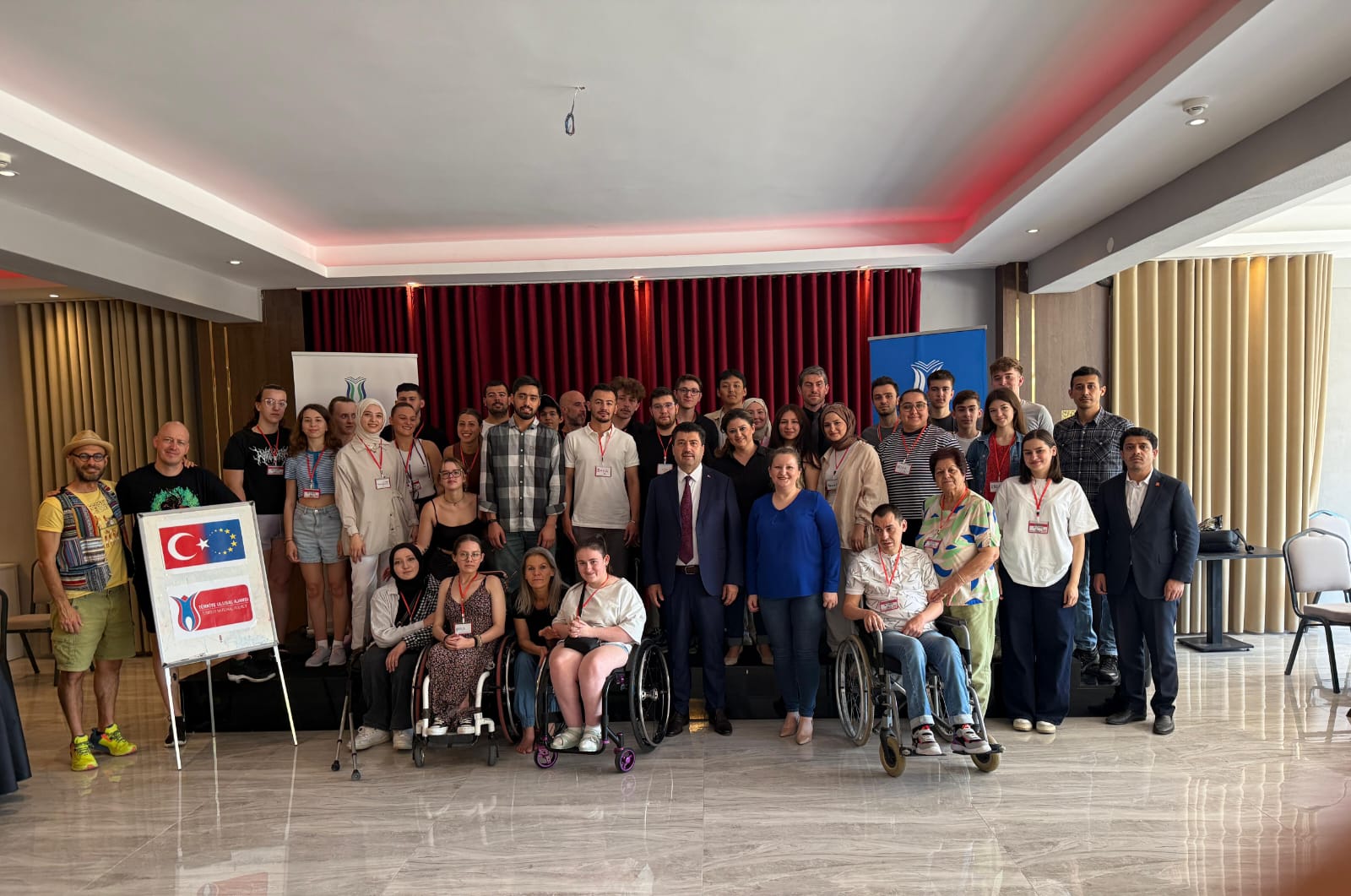
The project titled “Urbanization Needs More Accessible Actions!”, coordinated by our faculty member Dr. N. Ceren Türkmen and supported by the Turkish National Agency under the Erasmus+ KA152 Youth Exchange program, was successfully carried out in Sakarya from May 26 to June 1, 2025.
A total of 35 young participants from four different countries took part in the project, which actively involved 3rd-year students from our International Trade and Finance Department. Participants engaged in workshops, field visits, and cultural exchange activities focused on accessible cities, the challenges faced by individuals with disabilities in urban life, inclusive city planning, and the role of youth in these processes.
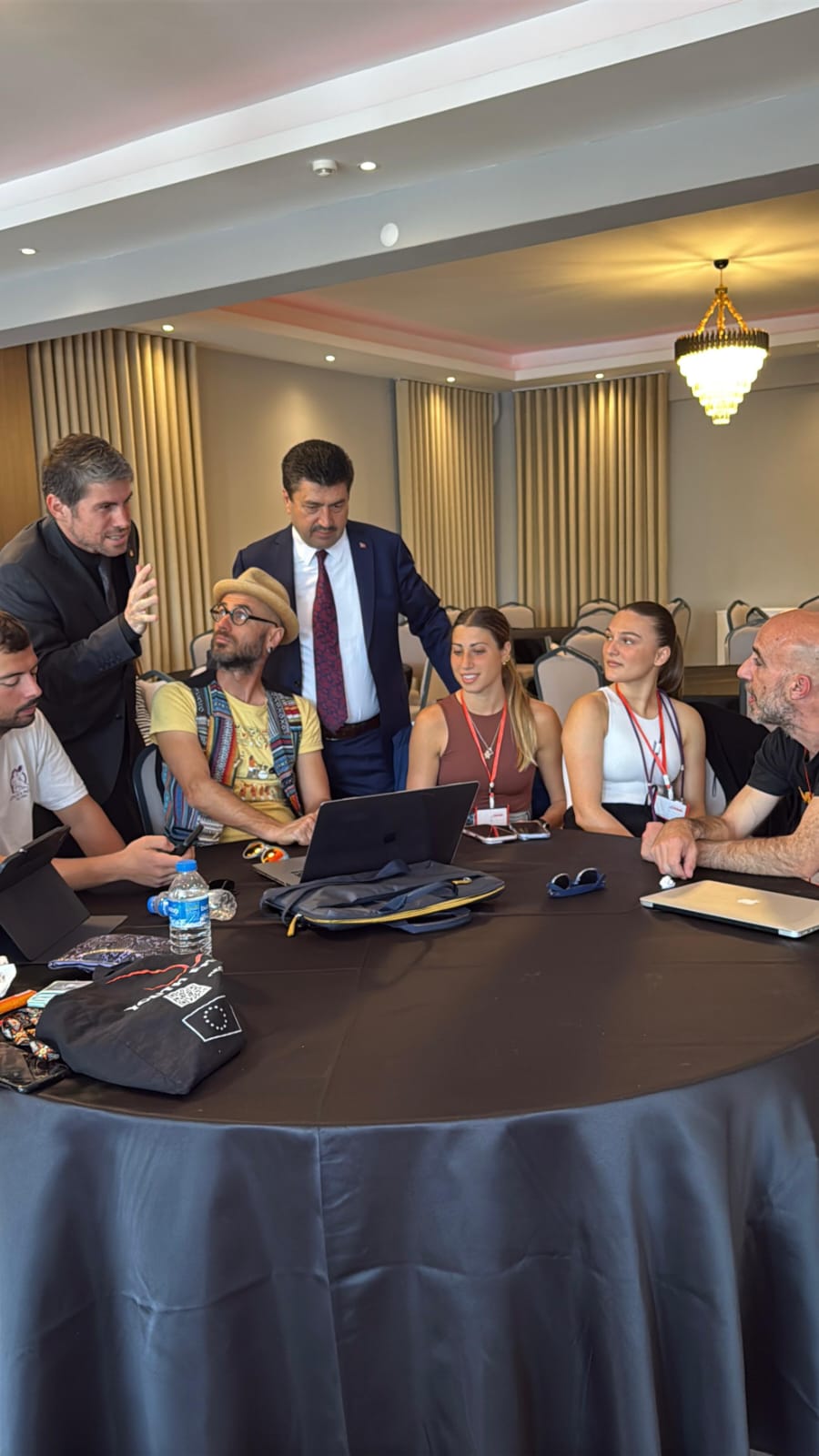
The program was enriched with contributions from our esteemed faculty members and local government representatives. Our faculty member Assoc. Prof. Dr. Asena Boztaş provided participants with a European-scale policy perspective through her presentation on “EU Urbanization Policy.” SUBÜ Rector Prof. Dr. Mehmet Sarıbıyık shared the university’s vision of inclusivity in his presentation titled “Accessible University: The SUBÜ Example.” Assoc. Prof. Dr. Dilşad Türkmenoğlu Köse (SAÜ) outlined EU-level accessibility strategies, while Dr. Onur Abdülkadir Özden led interactive sessions on “Accessible Urban Planning and Infrastructure,” demonstrating practical ways to enhance inclusivity in city planning. Additionally, İbrahim Bingül from SAÜ Library and Documentation Department shared his expertise in accessibility with the participants.
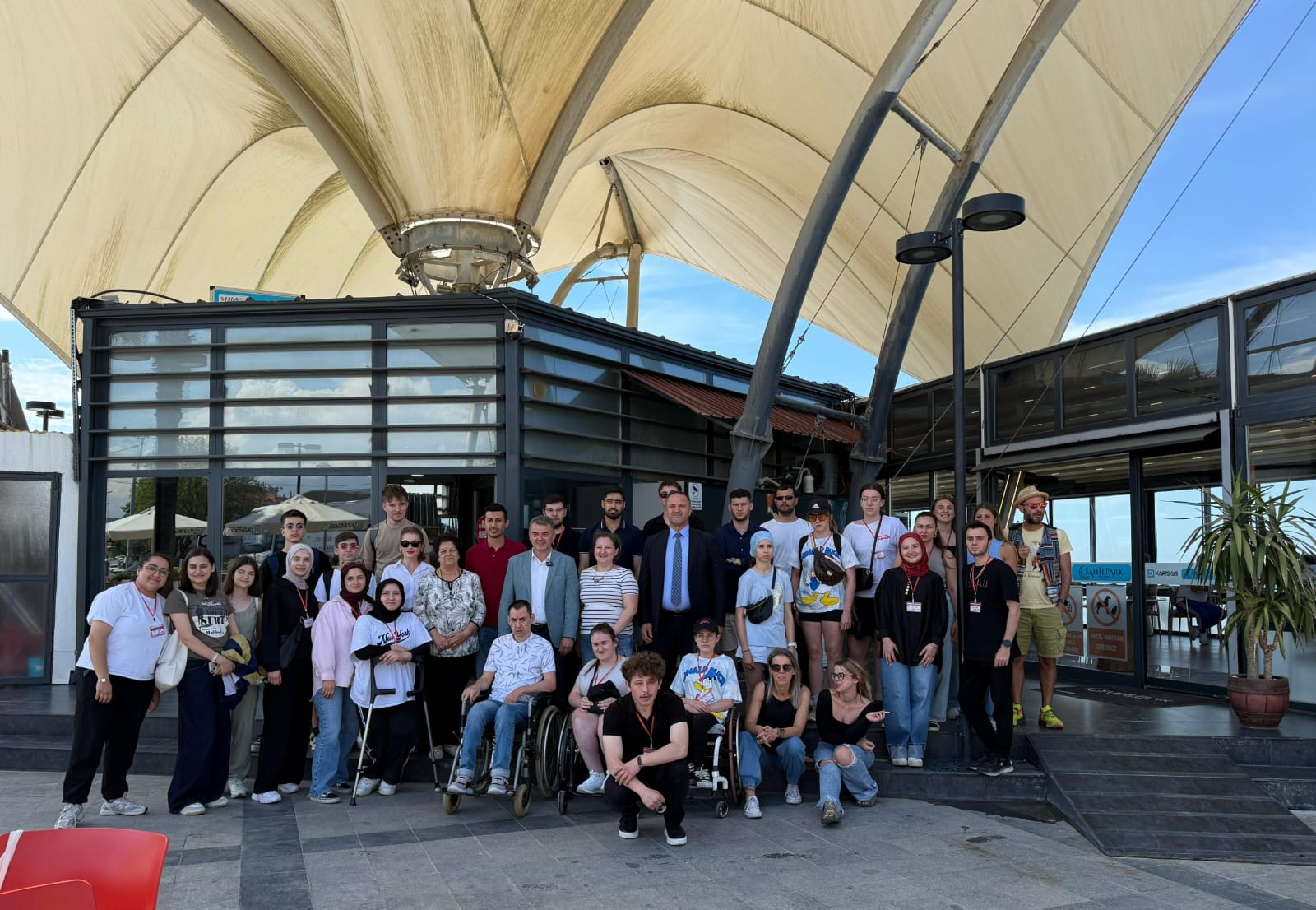
Throughout the project, the youth conducted field studies across different areas of Sakarya to assess local accessibility conditions. During a site visit in Karasu, they met with Mayor İshak Sarı to evaluate accessibility levels in the district and observed accessible local government practices along the Karasu coastline.
Our Faculty Dean Prof. Dr. Sinan Esen visited the program and emphasized the importance of international learning experiences and multicultural interaction for the youth.
Sessions incorporating digital tools, cultural nights, and teamwork activities provided participants with a multicultural learning environment. Students translated their vision of accessible cities into practical outputs such as short films, policy proposals, and poster designs.
Project Coordinator Assoc. Prof. Dr. N. Ceren Türkmen commented:
"The creative ideas generated by our students alongside peers from different countries on accessible cities offered notable recommendations not only for local governments but also at a European scale. Our project not only raised awareness among youth about urban transformation and inclusivity but also significantly contributed to the international visibility of our faculty."